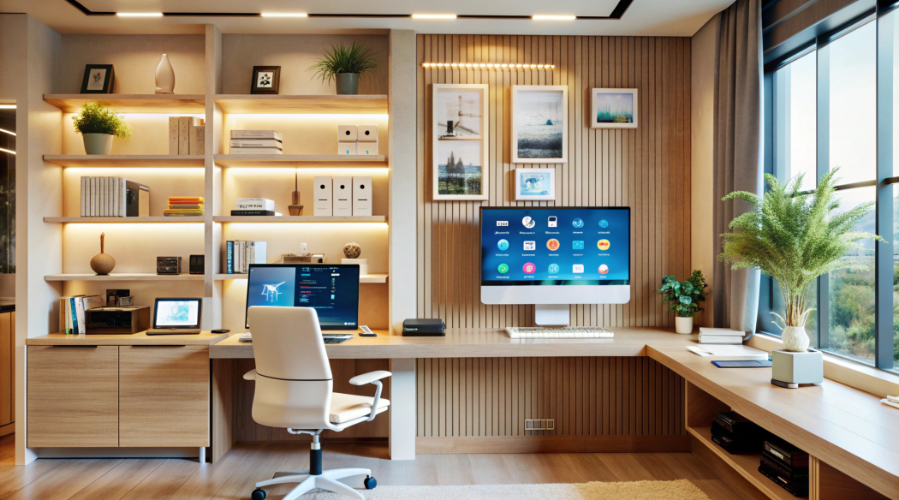
How to Plan Your Home Interiors While Managing a Home Loan
A Smart Homeowner’s Guide by Richwood Interio – Virar & Mira Road
Buying a home is one of the biggest financial milestones in life. But once the excitement of getting possession settles down, most homeowners face the next big challenge — planning interiors while already managing a home loan.
Many families assume that interior design is only about luxury, aesthetics, or expensive décor. In reality, a well-planned interior is about functionality, comfort, storage optimization, durability, and long-term financial planning.
At Richwood Interio, we regularly meet homeowners across Virar, Mira Road, Mumbai, and surrounding areas who ask the same question:
“How do we create a beautiful home without putting extra pressure on our finances?”
The good news is — with the right strategy, you absolutely can.
Why Interior Planning Should Start Before Possession
One of the biggest mistakes homeowners make is waiting until possession to think about interiors. Interior planning should ideally begin:
- During the home loan process
- While under-construction payments are ongoing
- Or at least 2–3 months before possession
Early planning helps you:
- Avoid rushed decisions
- Prevent unnecessary expenses
- Understand realistic budgets
- Prioritize important work first
- Plan financing smartly
- Reduce renovation stress later
A properly planned interior project can save lakhs in future modifications and repairs.
Step 1: Decide Your Interior Budget Realistically
The first step is understanding how much you should actually spend on interiors. A common mistake is spending everything on aesthetics while compromising on essentials like storage, kitchen functionality, electrical planning, or quality materials.
Ideal Interior Budget Distribution
Generally, homeowners should allocate:
- 25% to 30% of the property cost for interiors
For example:
- If your home costs ₹45 lakhs
- Interior budget can range between ₹13 to ₹15 lakhs depending on requirements
This budget varies based on:
- Carpet area
- Family size
- Lifestyle
- Furniture requirements
- Material selections
- Turnkey scope
You can also refer to our transparent interior pricing structure for a clearer idea of what fits your home size and lifestyle.
At Richwood Interio, we usually recommend clients to first invest in:
- Kitchen
- Wardrobes
- Storage
- Electrical & lighting planning
- Essential furniture
- Space optimization
Decorative luxury elements can always be added gradually.
Step 2: Prioritize Functional Interiors Over Showpiece Designs
Instagram-inspired interiors often look beautiful in reels but may not be practical for daily life. When you are managing a home loan, functionality should always come before unnecessary luxury.
Focus on:
Smart Storage Solutions
Good storage reduces clutter and improves everyday living. Examples:
- Floor-to-ceiling wardrobes
- Hydraulic storage beds
- Loft cabinets
- Hidden storage seating
- Modular kitchen organizers
Durable Materials
Avoid selecting materials only based on appearance. Choose:
- BWP plywood for kitchens
- Moisture-resistant materials
- Good quality laminates
- Reliable hardware brands
- Easy-maintenance finishes
Timeless Design
Trendy designs change quickly. Neutral tones, elegant textures, warm lighting, and balanced layouts stay visually appealing for years. This prevents expensive redesigning later.
Step 3: Plan Interiors in Phases
Not everything needs to be completed immediately. One of the smartest ways to manage interiors while paying EMIs is phased execution.
Phase 1 – Essentials
Complete:
- Modular kitchen
- Wardrobes
- Basic lighting
- Electrical planning
- Beds
- TV unit
- Storage solutions
Phase 2 – Comfort Additions
After financial stability improves, add:
- Crockery units
- Wall paneling
- False ceiling upgrades
- Decorative lighting
- Home office setup
- Soft furnishings
Phase 3 – Luxury Enhancements
Finally:
- Premium wallpapers
- Accent walls
- Veneers
- Automation
- Decorative furniture
- Premium décor elements
This approach helps homeowners avoid unnecessary financial pressure.
Step 4: Avoid Common Financial Mistakes During Interior Work
Mistake 1: Spending Entire Savings on Interiors
Always maintain:
- Emergency funds
- EMI buffer
- Maintenance reserves
- Moving expenses
Do not exhaust all savings during possession.
Mistake 2: Choosing Cheap Contractors Only for Lower Pricing
Low pricing often leads to:
- Delays
- Poor workmanship
- Material compromise
- Rework costs
- Hidden charges
A professionally planned turnkey interior project saves more money in the long run.
Mistake 3: Ignoring Material Quality
Low-quality plywood, hardware, or laminates may reduce initial cost but increase future maintenance. Interior work should be viewed as a long-term investment. Take a quick look at our factory-finished quality standards to understand what truly long-lasting material selection looks like.
Step 5: Understand Where You Should Spend More
Certain areas directly impact daily comfort and durability.
Areas Worth Investing In
Kitchen
The kitchen is one of the most heavily used spaces.
Invest in:
- Quality plywood
- Strong hardware
- Good drawer channels
- Proper lighting
- Functional layouts
For more design inspiration, you can explore our kitchen interior design ideas for 2026.
Wardrobes
Poor wardrobe planning creates daily inconvenience. Good wardrobe design improves:
- Storage efficiency
- Accessibility
- Organization
- Room aesthetics
Electrical Planning
Improper electrical planning later causes:
- Visible wires
- Extension boards
- Wall cutting
- Additional labor cost
Early planning is extremely important.
Lighting
Good lighting can completely transform a home without huge expense. Warm layered lighting creates:
- Premium feel
- Better ambience
- Spacious appearance
- Comfort
Step 6: Choose the Right Interior Designer
Your designer should understand:
- Budget limitations
- Space optimization
- Material durability
- Practical family needs
- Long-term maintenance
- Financial priorities
A good interior designer does not simply sell expensive designs. They help homeowners create balanced interiors that look elegant while remaining practical and financially manageable. If you’re still confused, this detailed guide on how to choose the best interior designer for your home will help.
Why Homeowners in Virar & Mira Road Prefer Richwood Interio
At Richwood Interio, we understand the realities of modern homeowners. Most families today are:
- Managing EMIs
- Balancing family responsibilities
- Planning future savings
- Upgrading lifestyle carefully
That is why our approach focuses on:
- Smart space planning
- Budget-friendly luxury interiors
- Durable materials
- Functional storage
- Practical layouts
- Premium aesthetics without unnecessary overspending
We specialize in:
- Turnkey interior projects
- Modular kitchens
- Living room design
- Space-saving furniture
- Modern ceiling concepts
- Premium yet practical interior solutions
You can also browse our completed work in the portfolio and gallery sections to see real homes designed within real budgets.
Serving homeowners across:
- Virar
- Mira Road
- Vasai
- Nalasopara
- Bhayandar
- Mumbai suburbs
Smart Tips to Balance EMIs & Interior Expenses
1. Start with a Clear BOQ
A proper BOQ (Bill of Quantities) helps avoid budget confusion. It provides:
- Scope clarity
- Material details
- Pricing transparency
- Better financial planning
2. Avoid Unplanned Design Changes Midway
Frequent modifications increase:
- Labor cost
- Material wastage
- Project delays
Finalize layouts early.
3. Compare Value, Not Just Pricing
Always compare:
- Material quality
- Warranty
- Execution quality
- Service support
- Finishing standards
Not only quotation amount.
4. Invest in Long-Term Durability
Good interiors should comfortably last 10–15 years with minimal maintenance.
Final Thoughts
Managing a home loan and planning interiors together can feel overwhelming initially. But with proper budgeting, phased execution, smart material selection, and the right interior partner, you can create a beautiful home without unnecessary financial stress.
A thoughtfully designed home is not about spending the most money. It is about creating a space that supports your lifestyle, comforts your family, and stays functional for years.
At Richwood Interio, we help homeowners across Virar and Mira Road design homes that feel premium, practical, and financially sensible.
Looking for Interior Designers in Virar or Mira Road?
If you are planning interiors for your new home and want practical guidance with premium design solutions, Richwood Interio can help you plan smartly.
Our Services
- Residential Interior Design
- Turnkey Interior Projects
- Modular Kitchens
- Wardrobe Design
- Living Room Interiors
- Space Saving Furniture
- Modern False Ceiling Design
- Premium Home Renovation
Visit Richwood Interio
Virar Branch Phone: 7769998244 | 7720000742
Mira Road Branch Phone: 9665664016 | 7066779992
Frequently Asked Questions
Most homeowners should ideally allocate 25% to 30% of their property cost towards interiors. For example, if your flat costs ₹45 lakhs, your interior budget can range between ₹13 to ₹15 lakhs depending on carpet area, family size, and material selection. The key is to never exhaust your savings — always keep an emergency fund, EMI buffer, and moving expense reserve aside.
A regular home loan usually does not cover interior work. However, many banks and NBFCs in India offer a separate home improvement loan or furniture loan that you can take after possession. Some homeowners also use a top-up loan on their existing home loan once EMIs begin. It is always better to consult your bank for exact eligibility before finalizing your interior budget.
Interior planning should ideally begin 2 to 3 months before possession, or even during the under-construction phase. Early planning helps avoid rushed decisions, lock in better material rates, plan finances smartly, and ensure that work begins immediately after handover — saving you rent and additional carrying costs.
The cost of interiors for a 2 BHK flat in Virar, Mira Road, or surrounding Mumbai suburbs typically ranges between ₹6 lakhs to ₹15 lakhs, depending on whether you choose basic, mid-range, or premium finishes. Modular kitchen, wardrobes, false ceiling, TV unit, and electrical work form the core of this budget. You can check our transparent pricing page for a detailed breakdown.
Yes — phased execution is one of the smartest ways to manage interiors while paying EMIs. Most homeowners complete Phase 1 essentials first (modular kitchen, wardrobes, beds, electrical, TV unit, basic lighting), then move on to Phase 2 comfort additions (false ceiling, paneling, decorative lighting), and finally Phase 3 luxury upgrades (wallpapers, veneers, automation) once their finances stabilize.
A local contractor may seem cheaper upfront, but professionally planned interiors usually save more money in the long run by avoiding rework, material wastage, hidden costs, and poor workmanship. A good interior designer also helps you with proper budget planning, space optimization, and durable material selection — all of which directly impact long-term cost. Read our guide on how to choose the best interior designer for clarity.
A typical 2 BHK turnkey interior project takes 45 to 60 days, while a 3 BHK can take 60 to 90 days, depending on scope, customization, and material availability. Factory-made modular work is faster than fully site-fabricated work, which is why most Richwood Interio projects are factory-finished for precision and on-time delivery.
If your budget is tight, prioritize the essentials that affect daily living the most — modular kitchen, wardrobes, electrical planning, beds, and lighting. These six elements drive 80% of your daily comfort. Decorative items like wallpapers, accent walls, veneers, and automation can always be added later in Phase 2 or Phase 3.
Yes, a modular kitchen is absolutely worth it — even on a tight budget. It offers better storage, longer durability, easier maintenance, and a far more organized cooking experience compared to a traditional civil kitchen. With BWP plywood, good laminates, and reliable hardware, a modular kitchen can comfortably last 10–15 years with minimal repairs.
Richwood Interio is one of the most trusted interior designers in Virar and Mira Road, known for combining premium aesthetics with practical, budget-friendly execution. With an architect-led team, in-house factory production, transparent pricing, and after-project support, Richwood Interio helps homeowners design beautiful homes without straining their EMIs. You can check real client experiences on the testimonials page.