Will Plywood, MDF & Furniture Get Damaged During Monsoon? What Every Indian Homeowner Must Know
Every year, as the first rain hits the Mumbai coast, thousands of homeowners across Maharashtra watch helplessly as their beautiful interiors start to swell, warp, and peel. If you’ve invested in a modular kitchen, a fitted wardrobe, or a custom TV unit — monsoon is not just weather, it’s a test of material quality.
At Richwood Interio, we design and build interiors across Virar, Mira Road, and Mumbai, and we see this damage firsthand. Here is everything you need to know about plywood damage in monsoon India — and how to stop it before it starts.
Why Monsoon Is the Biggest Enemy of Your Furniture
India’s monsoon season brings humidity levels that routinely exceed 80–90%, especially in coastal cities like Mumbai. Wood-based materials — plywood, MDF, particle board — are hygroscopic by nature, meaning they absorb moisture from the surrounding air. When that moisture enters the core of your panels, the damage begins silently and spreads fast.
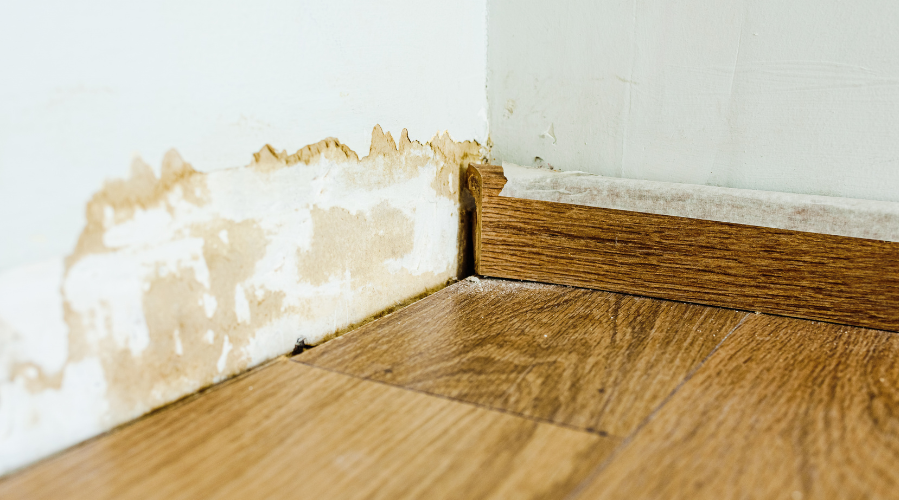
The most common signs of monsoon damage in furniture and interiors:
- Cabinet shutters that no longer close properly (swelling)
- Bubbling or peeling laminate on kitchen cabinets
- Warped wardrobe panels that crack the hinge fittings
- White patches or mold on the surface of furniture
- A persistent musty smell from your storage units
The root cause is almost always the same — wrong material choice, poor sealing at edges, or inadequate ventilation behind furniture.
Plywood vs MDF in Humid Weather — Which Is More Vulnerable?
This is the question we get asked most often during our modular interior design consultations.
Plywood is made of cross-laminated wood veneers bonded with adhesive. The cross-grain construction gives it natural strength and moderate resistance to moisture — especially in ISI-marked BWP (Boiling Water Proof) and BWR (Boiling Water Resistant) grades.
MDF (Medium Density Fibreboard) is made of compressed wood fibres and resin. Standard MDF is significantly more vulnerable to moisture than plywood. When water penetrates MDF, it swells rapidly and loses its structural integrity — often permanently. That said, moisture-resistant MDF (MR-grade) performs considerably better and is suitable for humid climates when properly sealed and finished.
The real risk isn’t just the core material — it’s the unsealed edges. Even the best waterproof plywood for interiors can absorb moisture through raw, cut edges that haven’t been sealed with edge banding or laminate.
Best Plywood for Kitchen Cabinets in India
Your kitchen bears the highest moisture load in the entire home — steam, splashes, and the ever-present Mumbai humidity make it the ultimate stress test for materials.
Here is what we specify for all our modular kitchen projects:
BWP 710 Grade Plywood — This is the gold standard for moisture-resistant furniture in India. Tested against boiling water for 72 hours, it resists delamination in extreme conditions. Brands like CenturyPly, Greenply, and Kitply offer certified BWP products.
Marine Plywood — Ideal for areas near sinks and cooking zones. Marine plywood uses waterproof adhesive throughout and is designed for outdoor/wet environments. It is the best plywood for kitchen cabinets when budget allows.
Pre-laminated Waterproof Boards — These boards come with the finish already applied at the factory, reducing site sealing errors and giving a consistent, durable surface.
At Richwood Interio, we combine the right board specification with proper edge banding and back-panel sealing as part of our turnkey interior projects — because great material only works when installation is equally precise.
Moisture-Proof Furniture — It’s Not Just About the Board
Choosing moisture proof plywood for home is necessary but not sufficient. Furniture protection during monsoon depends on a system of decisions:
- Edge Sealing: All cut edges must be sealed with ABS edge banding or laminate strips. Raw edges are the primary entry point for moisture.
- Back Panel Treatment: The back panels of wardrobes and kitchen cabinets are often the thinnest and least protected. Use a minimum 6mm BWR-grade back panel with a sealed finish.
- Leg Height & Ventilation: Furniture sitting directly on the floor is vulnerable during flooding or floor-mopping. A 3–4 inch clearance improves ventilation and prevents moisture wicking.
- Hardware Selection: Stainless steel or zinc-alloy hardware resists rust and corrosion — critical in coastal cities. Standard iron hardware will corrode within one or two monsoons.
- Wall Gap: Never push furniture flush against exterior walls. A 1–2 inch gap allows air circulation and prevents condensation buildup — especially relevant in older construction homes.
What to Do If Your Furniture Has Already Been Damaged
If you are reading this mid-monsoon with swollen cabinet doors and peeling laminate, here is a quick damage-control checklist:
- Dry the affected area immediately using a fan or dehumidifier
- Do not force swollen shutters — it will crack the hinge mounting
- For minor laminate bubbles, a dry iron on low heat can sometimes re-adhere the surface
- Mold patches should be cleaned with a diluted vinegar solution and the area dried thoroughly
- Significant swelling or structural warping usually requires replacement of the affected panel
For a professional assessment of your interior damage, our team at Richwood Interio offers consultations across Virar, Mira Road, and Mumbai.
Planning New Interiors? Monsoon-Proof Them from Day One
If you are about to begin a fresh interior project — whether it is a modular kitchen, bedroom wardrobe, or a complete home interior — this is the right moment to ask your designer specifically about material grades and moisture protection.
The cost difference between standard-grade and BWP-grade plywood is typically 10–15% on material costs. On a complete 2BHK interior project, that translates to a modest premium for significantly longer-lasting, worry-free furniture across every monsoon for the next 10–15 years. It is one of the best investments you can make in your home.
At Richwood Interio, every project we deliver — from 2BHK interiors to luxury custom furniture — is specified with monsoon resilience as a baseline requirement, not an optional upgrade.
Frequently Asked Questions
Yes, standard plywood can swell, warp, and delaminate when exposed to sustained humidity. BWR and BWP-grade plywood offers significantly better resistance and is recommended for all Indian homes.
Plywood (especially BWP grade) outperforms standard MDF in humid conditions. However, moisture-resistant MDF (MR-grade), when properly sealed and finished, can also be used effectively.
BWP 710-grade or marine plywood is considered the best for kitchen cabinets. Look for ISI-certified boards from reputable brands with a proper warranty.
Ensure all edges are sealed, maintain ventilation gaps behind furniture, use rust-resistant hardware, and run a dehumidifier in highly humid rooms. Avoid placing furniture against exterior walls.
BWP stands for Boiling Water Proof. It is the highest grade of moisture-resistant plywood in India, tested to withstand submerging in boiling water for 72 hours without delaminating.
Standard MDF should be avoided in kitchens in coastal cities like Mumbai. MR-grade (moisture-resistant) MDF with PVC or acrylic laminate finish can be used, but BWP plywood remains the safer choice.
With the right material grade and proper installation, good-quality modular furniture should last 10–15 years even in Mumbai's humidity. Poor-grade materials may show damage within 1–2 monsoons
BWP plywood is highly water-resistant but not completely waterproof against prolonged submersion. It is designed to withstand household humidity and splashes, not flooding.
This is caused by moisture absorption swelling the panel. It usually indicates that the board used was not moisture-resistant grade, or the edges were not properly sealed.
Use stainless steel or zinc-alloy hinges, channels, and handles. These resist corrosion in humid conditions far better than standard iron or chrome-plated hardware.
Termite treatment protects against pest infestation but does not improve moisture resistance. These are separate treatments — you need both for complete furniture protection in India.
Solid wood is actually more prone to swelling and cracking in humidity than quality engineered plywood. Well-manufactured BWP plywood is the preferred choice for humid Indian climates.
Look for the ISI mark, ask for the grade certification (BWP/BWR), and check the brand. At Richwood Interio, we are transparent about every material specification used in your project.
Kitchen, bathrooms, utility/washing areas, and any room with an exterior wall in a coastal city. Living rooms and bedrooms in well-ventilated homes have a lower risk.
Yes — exposed edges can be sealed with edge banding, surfaces can be re-laminated, and a dehumidifier can significantly reduce ambient moisture. However, severely damaged boards usually need replacement.
Looking for monsoon-proof interiors designed to last? Explore our modular projects, interior designing services, and turnkey interior solutions — or visit our studios in Virar and Mira Road to speak with our team.