Wall Paint Design Ideas for Homes: Texture, Patterns & Modern Paint Styles
Walls take up more visual space in a home than any single piece of furniture, yet they’re often the last thing homeowners plan for. A well-chosen wall paint design can completely change how a room feels — without the cost of a full renovation. In 2026, the approach to painting walls has moved well beyond flat, single-colour surfaces, with texture, pattern, and considered contrast playing a much bigger role in how Indian homes are styled.
This guide walks through the wall paint design ideas worth considering in 2026, room by room, along with practical tips on choosing the right style for your home.
Why Your Wall Finish Matters More Than You Think
A good paint finish does three things at once: it sets the mood of a room, it can make a small space feel larger or a large space feel cosier, and it ties together your furniture, flooring, and lighting choices. Unlike furniture or flooring, painting your walls is also one of the most cost-effective ways to refresh a home — which is often why it’s the first update homeowners make, whether they’re planning a full interior project or a quick makeover.
Textured Wall Finishes: The Biggest Shift in 2026
Textured finishes are one of the biggest shifts in wall paint design this year, moving homes away from flat, uniform walls toward surfaces with visible depth and character.
- Lime plaster and limewash finishes — a soft, cloud-like texture that pairs beautifully with warm, earthy colour palettes
- Stucco and Venetian plaster — a polished, slightly reflective texture often used as a premium accent wall in living rooms
- Sand and stone-effect textures — durable, subtle texture that hides minor wall imperfections better than flat paint
- Concrete-effect finishes — a popular choice for studies and home offices where an industrial-modern look fits the space
Textured finishes work particularly well as a single accent wall rather than across every wall in a room — it keeps the effect intentional rather than overwhelming.
Geometric & Pattern-Based Wall Styles
Pattern is making a strong comeback after years of plain, minimalist walls dominating Indian homes.
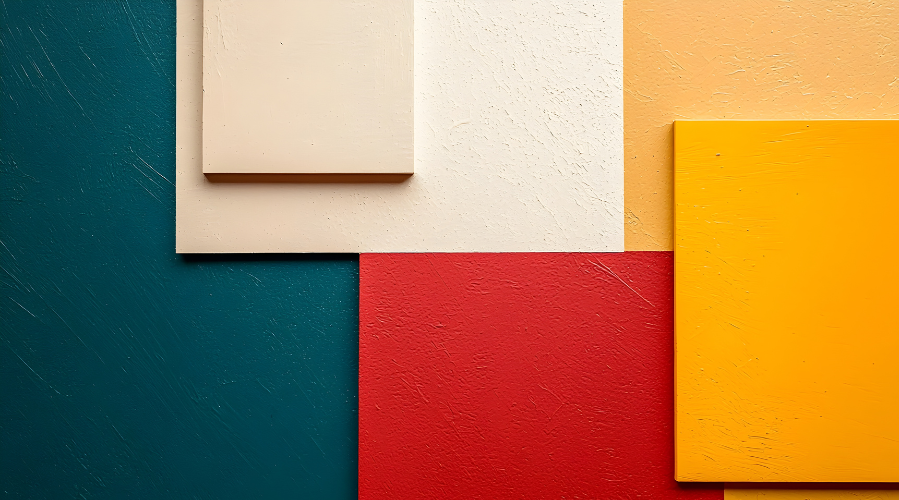
- Geometric blocking — two or three colours divided by clean, angular lines, popular in kids’ rooms and study areas
- Ombre and gradient walls — a soft colour transition from floor to ceiling or across a single wall, well suited to bedrooms
- Stencilled motifs — traditional Indian patterns (jaali, block-print inspired designs) reinterpreted in a modern way
- Colour-blocked accent panels — paired with wall panelling or moulding for a layered, architectural look
These pattern-driven ideas work best when the rest of the room stays relatively simple — let the wall be the statement, not one of several competing elements.
Modern Wall Paint Design Styles Shaping 2026
Beyond texture and pattern, a few broader style directions are defining wall paint design this year:
Warm minimalism — earthy tones like terracotta, sage, and clay replacing the cooler greys that dominated the last decade. This is currently one of the most requested styles for living rooms and bedrooms alike.
Dopamine décor — bold, mood-boosting colours like citrus green, mustard, and deep blue used as accent walls, balanced against neutral furniture so the finish doesn’t overwhelm the room.
Modern heritage — traditional Indian colour palettes and motifs reinterpreted with a contemporary finish, blending cultural character with a clean, current look. If you’re weighing specific shades, our guide to wall paint colour combinations breaks down pairings that work well for each of these styles.
Room-Wise Wall Paint Ideas
Living room: This is usually the best room to invest in a bolder finish, since it’s the space most seen by guests. A textured or colour-blocked accent wall behind the TV unit or seating area works well without affecting the rest of the living room design.
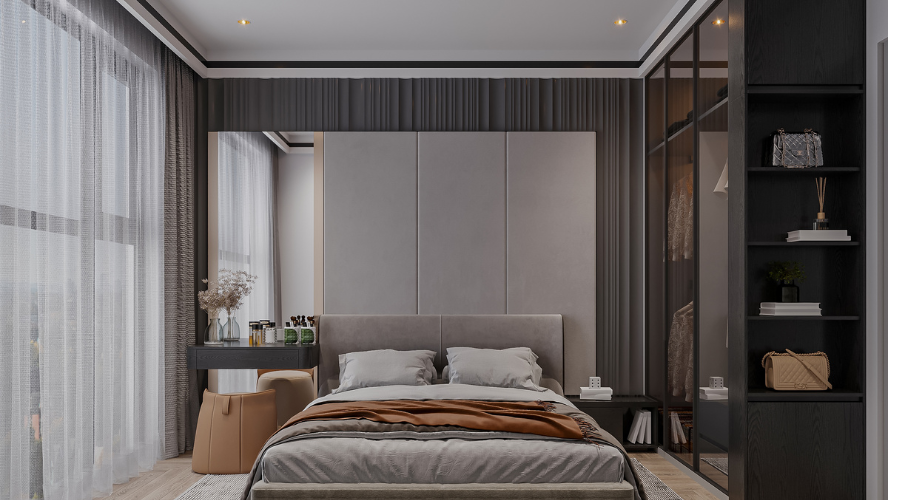
Bedroom: Softer, muted tones work best for rest and relaxation think sage green, warm beige, or a subtle ombre effect on the wall behind the headboard.
Hall and entryway: A slightly bolder finish here creates a strong first impression, since it’s a smaller area that can handle more intensity without dominating daily living space.
Kids’ room: Playful geometric patterns or a single vibrant accent wall keep the room energetic while staying easy to update as tastes change.
How to Choose the Right Wall Paint Design for Your Home
- Start with how the room is used, not just how it looks — a home office needs a calmer finish than a living room meant for entertaining.
- Check natural light direction — north-facing rooms handle bolder, warmer tones better than south-facing rooms that already get strong daylight.
- Limit textured or patterned walls to one per room unless you’re working with a designer who can balance multiple textured surfaces well.
- Match your wall finish to existing furniture and flooring tones rather than choosing it in isolation — this is where most DIY choices go wrong.
- Get a sample done on the actual wall before committing — paint and texture read very differently under your home’s specific lighting versus a swatch or catalogue.
What Does Wall Paint Design Cost?
Cost varies significantly by technique — flat paint starts around ₹15–25 per sq ft, while textured finishes like Venetian plaster or stucco can run ₹80–150 per sq ft depending on complexity. For a full breakdown across rooms and finishes, see our detailed interior design cost guide.
Conclusion
A thoughtful wall paint design is one of the highest-impact, most affordable upgrades you can make to a home whether that’s a single textured accent wall or a full room refresh built around 2026’s warm, earthy palettes. The key is choosing a finish that matches how the room is actually used, not just a passing trend.
Richwood Interio‘s design team can help you choose and execute the right wall paint design for every room in your home, from concept to final finish. Book a free consultation to explore texture, colour, and pattern options tailored to your space.
Frequently Asked Questions
Textured finishes like limewash and Venetian plaster, paired with warm, earthy colour palettes such as terracotta and sage green, are the most requested choices this year.
Lighter, muted tones with a single accent wall — rather than a fully textured or patterned room tend to make small bedrooms feel larger while still adding visual interest.
Yes, generally textured finishes like stucco or Venetian plaster cost more per sq ft than flat paint due to material and application time, but they also last longer and hide minor wall imperfections better.
Yes, as long as there's a consistent colour thread running through the home for example, using the same terracotta or sage tone across a textured living room accent and a flat-painted bedroom wall.
Textured finishes typically last 7–10 years with minimal touch-up, compared to 4–6 years for standard flat paint, making them a reasonable long-term investment.
An accent wall applies a bolder colour or texture to a single wall while keeping the rest neutral, offering the visual impact of a bold design without the cost or intensity of treating the entire room.
North-facing rooms get cooler, more diffused light, so warmer tones like terracotta, mustard, or warm beige help balance the room's natural light temperature.
Yes — geometric blocking and stencilled motifs remain popular, especially in kids' rooms, studies, and accent walls, as part of the broader move away from plain, flat-painted interiors.
Yes — textured finishes like sand or stone-effect paint are particularly effective at masking minor surface imperfections that flat paint tends to highlight.
Basic flat paint is DIY-friendly, but textured and pattern-based techniques require specific tools and application skill to avoid an uneven finish, so professional application is recommended for these styles.