Sustainable Interior Design: Eco-Friendly Materials for Indian Homes
More homeowners are asking a question that rarely came up a few years ago: “Is this material actually sustainable?” As awareness around indoor air quality, waste, and long-term environmental impact grows, eco friendly interior design materials have moved from a niche preference to a mainstream request in home renovations.
At Richwood Interio, we’re increasingly guiding clients toward sustainable choices across our home interiors and modular projects without compromising on style or durability. Here’s a practical guide to eco friendly interior design materials for Indian homes.
Why Sustainable Materials Matter More Than Ever
Beyond the environmental impact, eco friendly interior design materials often mean healthier indoor air quality, since many conventional materials release volatile organic compounds (VOCs) that linger in enclosed spaces. For families with children, elderly members, or anyone with respiratory sensitivities, this is a genuine health consideration, not just an environmental one.
Eco-Friendly Flooring Options
Sustainable flooring choices have expanded significantly in recent years:
- Bamboo flooring – a fast-growing, renewable material that’s durable and visually similar to hardwood
- Cork flooring – naturally insulating, soft underfoot, and harvested without cutting down trees
- Reclaimed wood – repurposed from old structures, adding character while reducing new timber demand
- Recycled tile options – increasingly available from manufacturers using post-industrial waste
Sustainable Furniture and Carpentry Materials
When it comes to eco friendly interior design materials for furniture, a few options stand out:
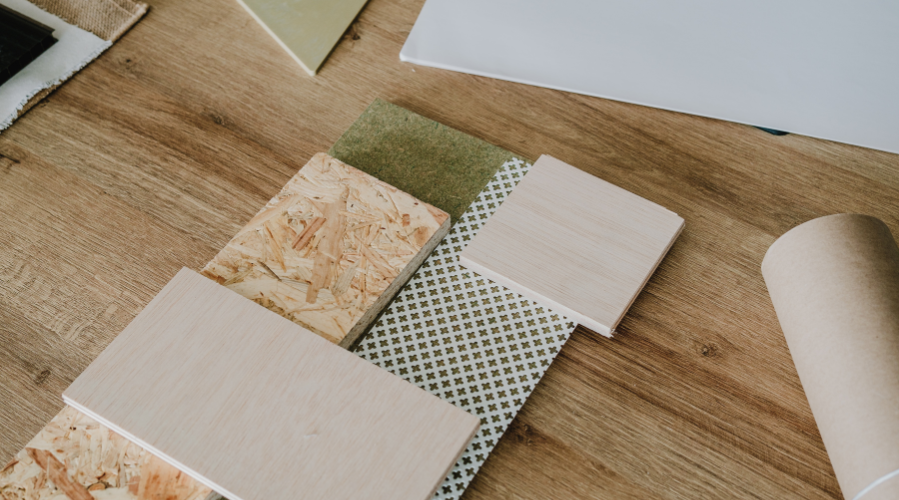
- FSC-certified plywood – sourced from responsibly managed forests
- Reclaimed and upcycled wood furniture – reduces demand for fresh timber while adding a unique, characterful look
- Bamboo furniture – lightweight, renewable, and increasingly stylish in modern designs
- Low-VOC adhesives and finishes – reduces harmful emissions during and after installation
Our custom furniture team can source and specify these materials on request, particularly for clients prioritising a lower-impact renovation.
Eco-Friendly Paints and Finishes
Standard paints often contain high VOC levels that off-gas for months after application. Low-VOC and zero-VOC paints are now widely available in India and perform just as well aesthetically. If you’re finalising your colour palette, our guide on wall paint design ideas covers finishes and textures that pair well with sustainable, low-emission paint options.
Energy-Efficient Lighting and Fixtures
Sustainable interior design isn’t limited to materials — it extends to how a home uses energy day to day:
- LED lighting throughout, which uses significantly less energy than traditional bulbs
- Motion-sensor lighting in passageways and bathrooms to avoid unnecessary use
- Natural light optimisation through window placement and reflective surfaces, planned during the 2D & 3D design stage
Sustainable Choices in the Kitchen
Kitchens generate significant material use, making them a good place to prioritise eco friendly interior design materials:
- Recycled or FSC-certified plywood for cabinetry
- Water-efficient fittings for sinks and faucets
- Energy Star-rated appliances where budget allows
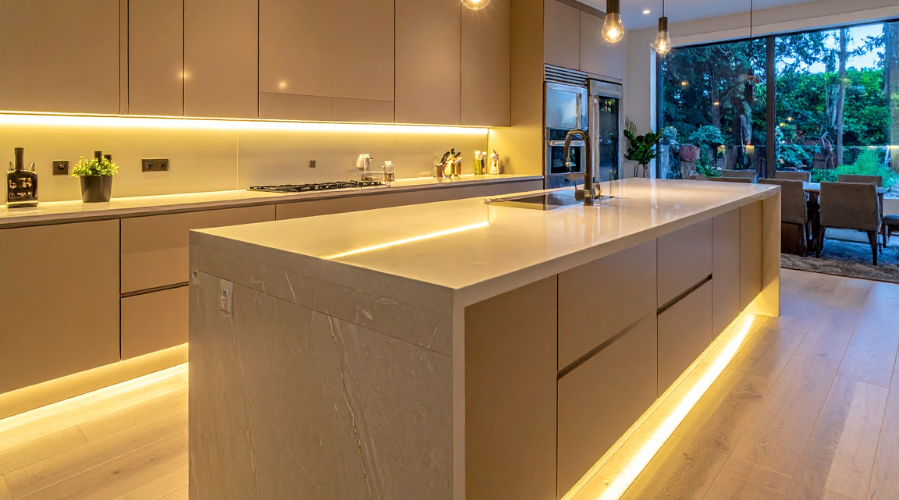
Our modular kitchens service can incorporate these choices without significantly altering your overall design vision.
Does Sustainable Design Cost More?
This is the most common concern homeowners raise, and the honest answer is: it depends. Some eco friendly interior design materials, like low-VOC paints, cost roughly the same as conventional options. Others, like reclaimed wood or bamboo, may carry a premium but often last longer or require less maintenance over time, offsetting the higher upfront cost.
How Richwood Interio Approaches Sustainable Design
Every material recommendation we make considers both environmental impact and practical durability for Indian conditions. Our architect-led team can guide you toward eco friendly interior design materials that fit your budget without asking you to compromise on the overall look of your home. You can see examples of thoughtfully sourced materials across our projects in our portfolio.
Final Thoughts
Sustainable interior design doesn’t mean sacrificing style or comfort it means making more informed choices about the materials that go into your home. Whether it’s flooring, furniture, paint, or lighting, eco friendly interior design materials are more accessible today than ever before. Ready to plan a more sustainable home? Schedule a free consultation with our team.
Frequently Asked Questions
There are materials sourced or manufactured with lower environmental impact, such as bamboo, cork, reclaimed wood, and low-VOC paints and adhesives.
Some, like low-VOC paint, cost about the same as conventional options, while others, like reclaimed wood, may carry a premium but often last longer.
Bamboo and cork flooring are among the most sustainable options due to their renewability and lower environmental impact.
It means the wood used is sourced from forests managed responsibly under Forest Stewardship Council standards.
Yes, most low-VOC and zero-VOC paints available today perform comparably to conventional paints in durability and finish.
Yes, using FSC-certified plywood, water-efficient fittings, and energy-rated appliances can significantly reduce a kitchen's environmental footprint.
Yes, materials with lower VOC content reduce harmful emissions, contributing to better indoor air quality over time.
It's furniture made from wood salvaged from old structures or previously used pieces, reducing the need for newly harvested timber.
Yes, bamboo is durable, lightweight, and well-suited to India's climate, making it a practical and sustainable furniture material.
An experienced interior design firm like Richwood Interio can guide material choices toward more sustainable options without compromising on style or budget.